Best Air Purifiers for Pollen and Allergies 2026
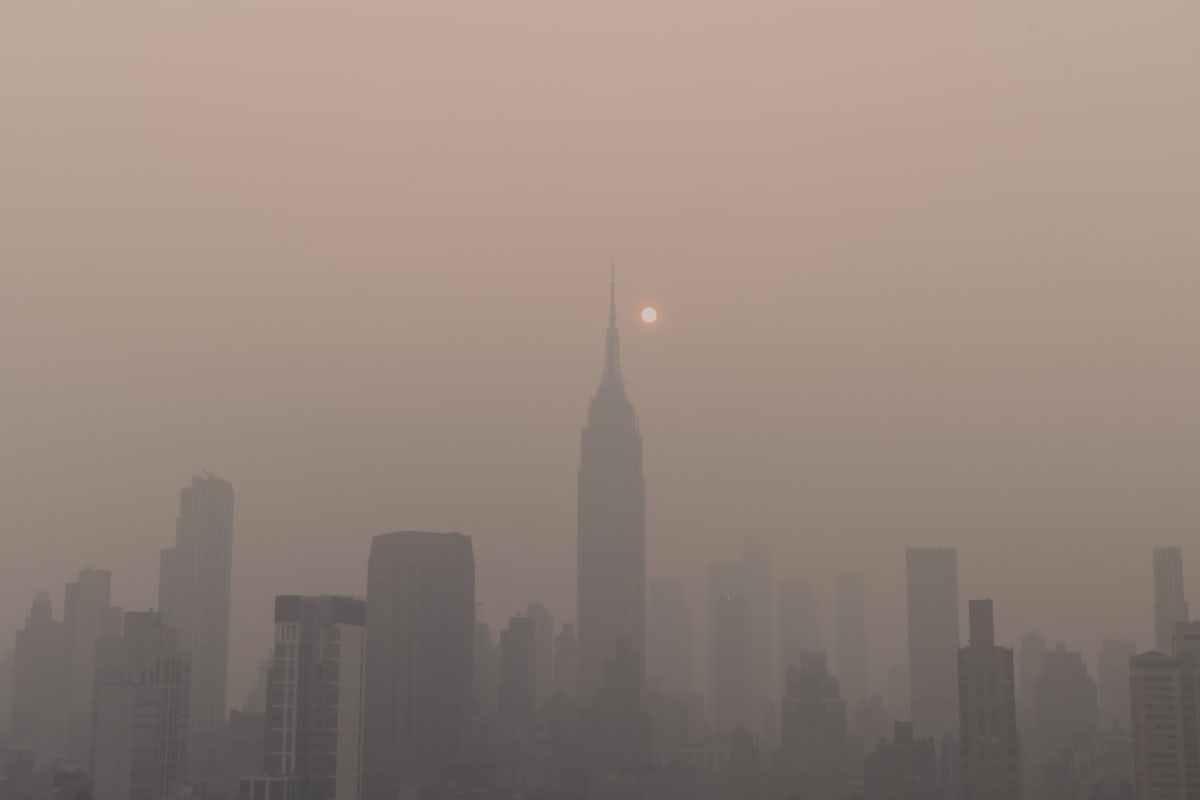
Every spring, trees, grasses, and weeds release billions of pollen grains — and a surprising amount of that spring pollen ends up inside your home. If you wake up congested, sneeze through the morning, or reach for antihistamines the moment April hits, an air purifier is one of the most direct tools available to cut your indoor allergen load. This guide breaks down exactly what to look for, what the specs actually mean, and which six purifiers earned a spot on our 2026 shortlist.
Why Spring Pollen Is Getting Worse — and Why Indoors Isn't Safe
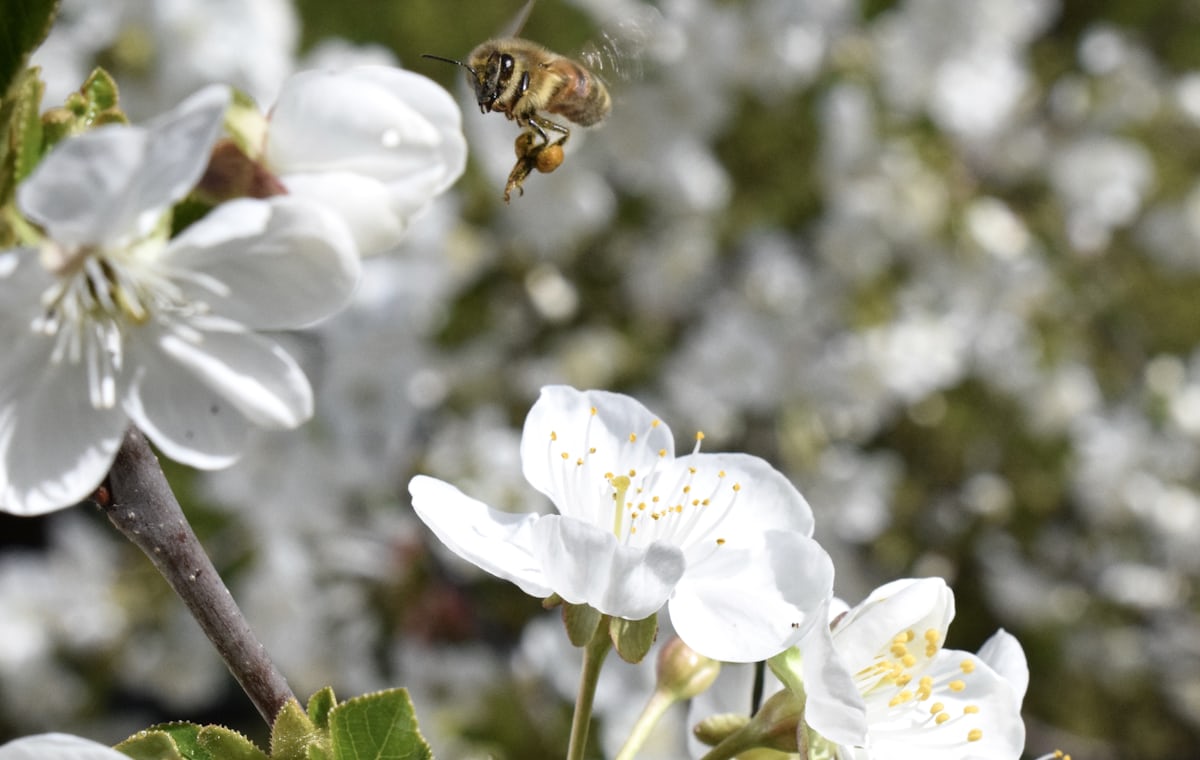
Research suggests that pollen seasons in many regions have grown longer and more intense over recent decades, with some studies indicating the annual pollen load has increased by as much as 21% since 1990. More pollen in the air means more pollen finding its way through gaps in windows, doors, and HVAC systems — and once inside, it settles on furniture, bedding, and floors, getting stirred back into the air every time someone walks past.
The common assumption is that staying indoors during high-pollen days is enough. It helps, but it is not a complete solution. Pollen particles are sticky and hitchhike indoors on clothing, pet fur, and hair. Leaving windows cracked even briefly during the peak morning pollen hours — roughly 5am to 10am — can spike indoor concentrations significantly. Without active filtration, those particles recirculate all day.
A True HEPA air purifier breaks this cycle. Pollen grains range from 10 to 100 microns in diameter, which is many times larger than the 0.3-micron particles True HEPA filters are certified to capture at 99.97% efficiency. In practice, pollen is one of the easiest allergens for a quality HEPA filter to trap. The challenge is less about filtration technology and more about choosing a unit that can move enough air through that filter to actually clean your room multiple times per hour.
What to Look for: Key Buying Criteria
CADR — The Spec That Actually Matters
CADR stands for Clean Air Delivery Rate and measures how many cubic feet of clean air a purifier produces per minute for a specific pollutant — smoke, dust, and pollen. For allergy sufferers, the pollen CADR is the most relevant number. A higher pollen CADR means the unit can cycle more clean air per minute, which is what drives real symptom relief.
The standard rule of thumb: your pollen CADR should be at least two-thirds of your room's square footage. A 300-square-foot bedroom should have a purifier with a pollen CADR of at least 200. If you want the more aggressive air exchange rates that allergy specialists recommend, size up. Running a slightly oversized unit on medium speed is quieter and more effective than running an undersized unit at full blast.
ACH — Air Changes per Hour
ACH tells you how many times per hour the purifier cycles all the air in a room through its filter. Most consumer specs quote coverage area at 2 ACH, which is the minimum. For pollen and other allergens, you want at least 4–5 ACH — meaning the air in your room passes through the HEPA filter four to five times every hour. For severe allergy sufferers or households with asthma, 6 ACH is the target. When comparing purifiers, check whether the brand lists coverage at 2 ACH or 4–5 ACH — a unit quoted at 500 sq ft at 2 ACH covers roughly 250 sq ft at 4 ACH.
Certifications Worth Trusting
The Asthma and Allergy Foundation of America (AAFA) runs an independent certification program called "Certified Asthma & Allergy Friendly." Earning that mark requires performance testing beyond standard HEPA compliance. AHAM (Association of Home Appliance Manufacturers) CADR verification is another third-party validation worth looking for — it means the pollen CADR printed on the box was independently confirmed, not just self-reported.
Marketing terms like "99.9% allergen removal" and "medical-grade filtration" are not standardized and carry no regulatory weight. Stick to AHAM-verified CADR numbers and AAFA certification as your baseline.
Filter Replacement Costs
The purchase price is only part of the equation. HEPA filters typically need replacing every 6–12 months depending on usage, and some premium brands charge $60–$150 per replacement set. Factor in annual filter costs before buying — a $150 purifier with $120-per-year filters is more expensive over three years than a $300 purifier with $50 filters.
Our Top Picks for Spring Pollen: 2026
| Model | Best For | Pollen CADR | Coverage (4 ACH) | Price |
|---|---|---|---|---|
| Levoit Core 300S | Small bedrooms | 289 CFM | ~219 sq ft | ~$100 |
| Levoit Vital 200S | Large rooms + pets | 289 CFM | ~1,875 sq ft (2 ACH) | ~$200 |
| Blueair Blue Pure 311i+ Max | Mid-size rooms | 446 CFM | ~525 sq ft | ~$230 |
| NuWave OxyPure | Large open spaces | High | Large rooms | ~$400 |
| RabbitAir A3 | AAFA-certified allergy use | AAFA verified | Medium-large | ~$550 |
| Coway Airmega ProX | Best all-round performance | Excellent | Large rooms | ~$600 |
Levoit Core 300S (~$100)
The Core 300S is the easiest recommendation for anyone who wants proven filtration without spending much. Its True HEPA filter is independently verified to capture 99.97% of particles down to 0.1 microns — pollen doesn't stand a chance. The CADR rating of 289 for pollen is strong for a unit this size and price, covering a bedroom up to around 219 square feet with meaningful air exchange.
What makes the 300S stand out in its price bracket is the noise floor. Sleep Mode drops operation to 24dB — quieter than a whisper — which means you can run it all night without disturbing sleep. A companion app lets you set schedules and monitor filter life, and the filter replacement reminder takes the guesswork out of maintenance. Replacement filters run around $20–$25, making the total cost of ownership genuinely low.
For a single bedroom during spring allergy season, this is the purifier we would put in first. It will not cover a living room or open-plan space, but for the room where you spend the most time unconscious and breathing heavily, it earns every dollar.
Best for: Small bedrooms and home offices up to 220 sq ft
Levoit Vital 200S (~$200)
The Vital 200S scales the Core 300S formula up considerably. AHAM-verified CADR scores — Smoke 250, Dust 254, Pollen 289 — are independently confirmed, and the unit is built for rooms up to 1,875 square feet at 2 ACH. That covers most living rooms and master bedrooms comfortably at 4–5 ACH.
Smart features are a genuine plus here rather than a gimmick. The built-in laser particle sensor auto-adjusts fan speed in real time — when pollen counts spike after opening a door, the unit detects the particle surge and ramps up before you notice the air quality drop. Wi-Fi connectivity means the Levoit app can tie the unit to outdoor AQI data and pre-emptively boost performance before your local pollen count peaks in the morning.
Pet owners dealing with double allergen trouble — dander and pollen together — will appreciate the 360-degree air intake that pulls from all directions simultaneously. Filter replacement costs are reasonable at around $35–$45 per set, and Levoit's filter subscription option cuts that further.
Best for: Large bedrooms, living rooms, and pet-friendly households
Blueair Blue Pure 311i+ Max (~$230)
Blueair's HEPASilent technology combines electrostatic and mechanical filtration, which means it can move more air at lower fan speeds — translating to better particle capture with less noise. The Blue Pure 311i+ Max posts a pollen CADR of 446 cfm, which is exceptional for a mid-size unit at this price. At its rated coverage area, it clears 525 square feet in about 12.5 minutes on full power.
The washable pre-filter is a seasonal allergy win — during spring, you can wash it every week to prevent the visible yellow pollen layer from restricting airflow. That extends the life of the main HEPA filter and keeps the unit running efficiently when pollen counts are at their highest.
Aesthetically, the Blue Pure line has always looked like it belongs in a room rather than a hospital. The cylindrical design and fabric pre-filter come in multiple colorways. It is not a trivial factor — a device that blends into a bedroom is one you will actually keep running year-round rather than packing away after April.
Best for: Allergy-focused households needing strong pollen CADR in mid-size rooms
NuWave OxyPure (~$400)
The OxyPure takes a multi-stage approach that goes beyond standard HEPA. Its filtration stack includes a stainless-steel pre-filter (washable and reusable indefinitely), a True HEPA layer, a bio-guard filter, and an ozone removal filter. For allergy sufferers who also live in areas with wildfire smoke or urban air pollution layered on top of pollen season, this multi-stage design provides coverage across a broader range of particle types and gases simultaneously.
The CADR is high enough to handle large spaces effectively, and the unit monitors air quality continuously with real-time display. One practical advantage is that the stainless pre-filter eliminates a recurring cost — many competing units require disposable pre-filters that add up over time. You wash it, re-insert it, and move on. The main HEPA-bio filter replacement runs around $80, which is reasonable for a unit at this price tier given the extended intervals between replacements.
Runtime costs are also lower than expected — the OxyPure uses a DC motor that consumes considerably less power than traditional AC motors at equivalent airflow rates.
Best for: Large rooms and households dealing with multiple air quality concerns beyond just pollen
RabbitAir A3 (~$550)
The RabbitAir A3 carries the AAFA Certified Asthma & Allergy Friendly mark — one of the few purifiers to pass independent clinical testing under that program. For allergy sufferers who want third-party verification rather than marketing language, that certification is meaningful. It indicates the unit was tested in a controlled environment and demonstrated measurable reduction in allergen exposure.
The A3's customizable filter system is a standout feature: beyond the standard True HEPA layer, you can select a specialty filter tailored to your specific concern. The Germ Defense filter adds antimicrobial treatment; the Toxin Absorber focuses on VOCs; the Odor Remover is optimized for pet and cooking odors. During spring allergy season, the HEPA and Germ Defense combination covers pollen, mold spores, and bacteria that tend to spike simultaneously with high humidity.
Wall-mount capability lets you place the A3 up high — where it can draw air across a larger portion of the room — without occupying floor or counter space. This is a niche but genuinely useful feature in smaller rooms where floor space is limited. The unit is exceptionally quiet, making it suitable for bedrooms even on the second-highest fan setting.
Best for: Severe allergy and asthma sufferers who need clinically verified performance
Coway Airmega ProX (~$600)
The Airmega ProX is the benchmark for what a premium home air purifier can do. Independent testing consistently puts it at the top for clearing pollen, dust, and smoke across a range of fan speeds — critically, it performs well even on lower settings, which is where most people run purifiers day-to-day. A unit that only excels at maximum speed is essentially testing well on paper while underperforming in real use.
Coverage area is expansive, making the ProX one of the few consumer units genuinely suited to open-plan living spaces, large master suites, or great rooms with high ceilings. The dual filtration system processes air from both sides simultaneously, effectively doubling the active filter surface area compared to single-intake designs.
The ProX also includes a real-time air quality display, auto mode, and a timer that cuts power after a set period — useful for running it on high during the morning pollen peak and then stepping down automatically. Filter replacement costs are higher than budget options, but the interval between changes is longer, partially offsetting the per-filter price.
If you have a large space, persistent severe allergies, or want to set it and forget it for months at a time, the ProX is the unit that will not leave you wondering whether you made the right call.
Best for: Large rooms, open-plan spaces, and households that want best-in-class performance
Seasonal Strategy: Getting the Most Out of Your Purifier
Hardware alone will not fix spring allergies if you run it wrong. A few habits make a meaningful difference:
Run on high between 5am and 10am. Pollen counts typically peak in the morning. Pre-emptively ramping your purifier to its highest setting before and during this window reduces indoor accumulation before it settles.
Keep windows closed during peak hours. One open window for 30 minutes at 8am can undo hours of filtration. If you want fresh air, open windows in the evening when outdoor pollen counts are lower.
Change clothes after being outside. Pollen clings to fabric and reseeds your indoor air every time you move around. A quick change when you come inside — especially during high-count days — significantly reduces tracking.
Check your filter more often in spring. A filter that looks clean in winter may clog faster during heavy pollen season, reducing airflow and filtration efficiency. Monthly visual checks from April through June are worthwhile.
For additional context on overall indoor air quality and how to monitor what you're breathing, see our vivavenly.com guide to indoor air quality monitors and air quality resources on the site.
Frequently Asked Questions
Do air purifiers actually help with pollen allergies?
Research consistently indicates that True HEPA air purifiers reduce airborne pollen concentrations indoors, which correlates with symptom reduction in allergy sufferers. Pollen particles are large relative to what HEPA filters are certified to capture, meaning any verified True HEPA unit is effective against pollen specifically. The key variable is whether the unit has sufficient CADR and ACH for your room size.
What CADR do I need for my room?
A general rule: your pollen CADR should be at least two-thirds of your room's square footage. For a 300 sq ft room, aim for a pollen CADR of at least 200. For 4–5 ACH — the threshold most allergy specialists recommend — you will need a higher CADR or a smaller room. Check whether the brand's coverage area claim is based on 2 ACH or 4–5 ACH, as this changes the real-world number significantly.
Is a HEPA air purifier better than taking antihistamines?
They address the problem differently. Antihistamines blunt the immune response after allergen exposure. An air purifier reduces allergen exposure in the first place. Studies indicate that combining both approaches — reducing indoor pollen load with filtration and managing symptoms with medication when needed — tends to produce better outcomes than either alone. An air purifier is not a replacement for medical advice or allergy treatment.
How often should I replace the HEPA filter?
Most manufacturers recommend every 6–12 months under normal conditions. During heavy spring pollen season, filters can load up faster — monthly visual inspection is worthwhile. A dirty or clogged filter restricts airflow and reduces the effective CADR significantly, so erring on the side of more frequent replacement during peak season is better than running a compromised filter.
Can I run an air purifier with my windows open?
You can, but it substantially reduces effectiveness. Opening windows during high-pollen morning hours essentially continuously reseeds indoor air faster than most purifiers can filter it. If you want to ventilate, do so in the evening when outdoor pollen concentrations are lower, then close windows and run the purifier through the night.
Do I need a purifier in every room?
Not necessarily. Prioritize the rooms where you spend the most time — typically the bedroom (where you sleep 7–8 hours) and any room you use during peak morning hours. A single high-quality purifier in your bedroom will provide more relief than spreading the budget across multiple underpowered units.
Shop these picks
Related guides