Best Pillows for Neck Pain 2026

Best Pillows for Neck Pain 2026: Expert Picks by Sleep Position
You drag yourself out of bed, and before you've made coffee your neck is already complaining. Morning neck stiffness is one of the most common sleep complaints — and more often than not, the culprit is a pillow that's failing to keep your spine aligned through the night. The good news: the right pillow can make a dramatic difference, and you don't need to spend a fortune to find it. This guide cuts through the noise and matches you to the best pillow for neck pain based on how you actually sleep.
Why Your Pillow Is Probably Behind Your Neck Pain

Most people never think twice about their pillow — it's just there, under their head. But sleep researchers and physical therapists consistently point to poor pillow support as a leading cause of recurring cervical (neck) discomfort. When a pillow is too flat, too thick, or simply the wrong shape for your sleep position, your neck muscles spend hours compensating for misalignment instead of recovering.
The cervical spine has a natural inward curve. The goal of a well-chosen pillow is to maintain that curve throughout the night — whether you're on your side, back, or stomach. A pillow that's too high strains the muscles on one side; too low, and the head drops in a way that compresses the discs. Studies indicate that proper spinal alignment during sleep is associated with reduced morning pain and better overall sleep quality.
Pillow longevity is also a surprisingly underappreciated factor. Foam and down pillows lose a significant portion of their support within 12–18 months of nightly use. If your pillow is older than two years, it may have lost its ability to maintain proper loft regardless of how good it was when new — meaning it's time to replace it.
What to Look for: Key Buying Criteria
Loft (Pillow Height)
Loft is the single most important specification when buying a pillow for neck pain. The correct loft bridges the gap between your head and the mattress while keeping your spine in a neutral position.
Research suggests the following loft ranges by sleep position:
- Side sleepers: 4–6 inches — enough to fill the gap between your ear and shoulder
- Back sleepers: 3–5 inches — enough to support the neck's natural curve without pushing the chin forward
- Stomach sleepers: Under 3 inches — or no pillow at all — since too much height strains the neck by rotating it excessively
Adjustable-fill pillows sidestep this problem entirely by letting you dial in the exact loft that works for you.
Fill Material
The fill determines how a pillow feels, performs, and holds up over time. The main options for neck pain sufferers:
- Shredded memory foam / latex: Conforming, adjustable, and durable. The most popular choice for neck pain because it molds to your head and neck without bottoming out. Shredded fills also allow airflow better than solid foam blocks.
- Solid contoured memory foam / latex: Fixed shape that positions the head precisely. Great for chronic pain, but you need to get the shape right for your position — there's less room for error.
- Latex (natural or Talalay): Slightly more resilient than memory foam with a gentle pushback. Research suggests latex sleeps cooler than traditional foam and holds its shape longer.
- Down and down alternative: Soft and adjustable, but tends to go flat quickly and offers less consistent support — generally not recommended as a primary choice for neck pain.
Cooling and Breathability
Heat retention is a significant pain point (so to speak) among foam pillow users. Standard memory foam absorbs and retains body heat, which disrupts sleep and makes you flip the pillow in the night. Look for covers with cooling fibers, gel-infused foam, or open-cell latex construction if you run warm. Pillows with ventilated cores or phase-change material covers score highest on cooling in independent sleep lab tests.
Best Pillows for Neck Pain 2026: Our Top Picks
| Model | Best For | Fill | Loft | Price |
|---|---|---|---|---|
| Coop Sleep Goods Original | Most sleepers (adjustable) | Shredded foam + microfiber | Adjustable | ~$80 |
| Saatva Latex Pillow | Eco-conscious, hot sleepers | Shredded natural latex | Standard / High | ~$165 |
| Tempur-Pedic TEMPUR-Ergo | Chronic or severe neck pain | Solid contoured foam | Medium-High | ~$130 |
| Eli & Elm Side-Sleeper | Dedicated side sleepers | Shredded latex + fiber | Adjustable | ~$130 |
| Osteo Cervical Pillow | Budget, back/side sleepers | Contoured memory foam | Medium | ~$50 |
| Purple Harmony | Hot sleepers needing support | Grid + Talalay latex | Medium / Tall | ~$179 |
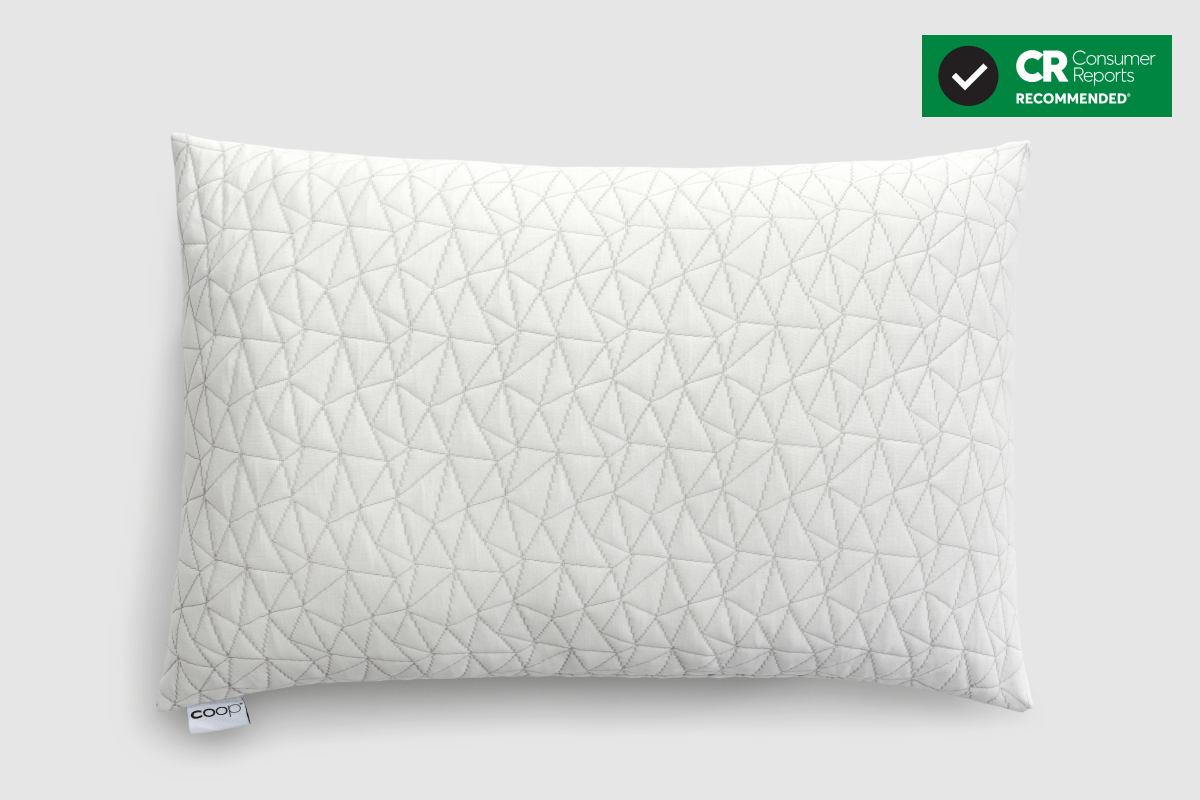
Coop Sleep Goods Original Adjustable Pillow (~$80)
The Coop Sleep Goods Original has been the consensus top pick for neck pain on review sites and Reddit for several years running, and for good reason: its cross-cut memory foam and microfiber fill can be added or removed to dial in the exact loft your neck needs. Most pillows force you to work with what you get; this one lets you tune it like an instrument.
Out of the box, the Coop Original ships overfilled, which is intentional — you remove fill until the loft matches your sleep position. Side sleepers will keep more fill, back sleepers will pull some out, and stomach sleepers may remove quite a lot. The cover is a soft, breathable bamboo-rayon blend that sleeps noticeably cooler than traditional polyester covers.
Real-world performance holds up well over time. Unlike solid foam pillows that develop permanent impressions, the shredded fill can be fluffed and redistributed, extending its useful life. The fill is also CertiPUR-US certified, which means it's been tested for harmful chemicals and VOC emissions — a meaningful detail for anyone sleeping with their face pressed against it for eight hours.
The Coop Original works well for side and back sleepers. Stomach sleepers may find it difficult to get the loft low enough without removing almost all the fill, at which point a purpose-made low-loft pillow would serve them better.
Best for: Side and back sleepers who want a versatile, adjustable pillow without premium pricing.
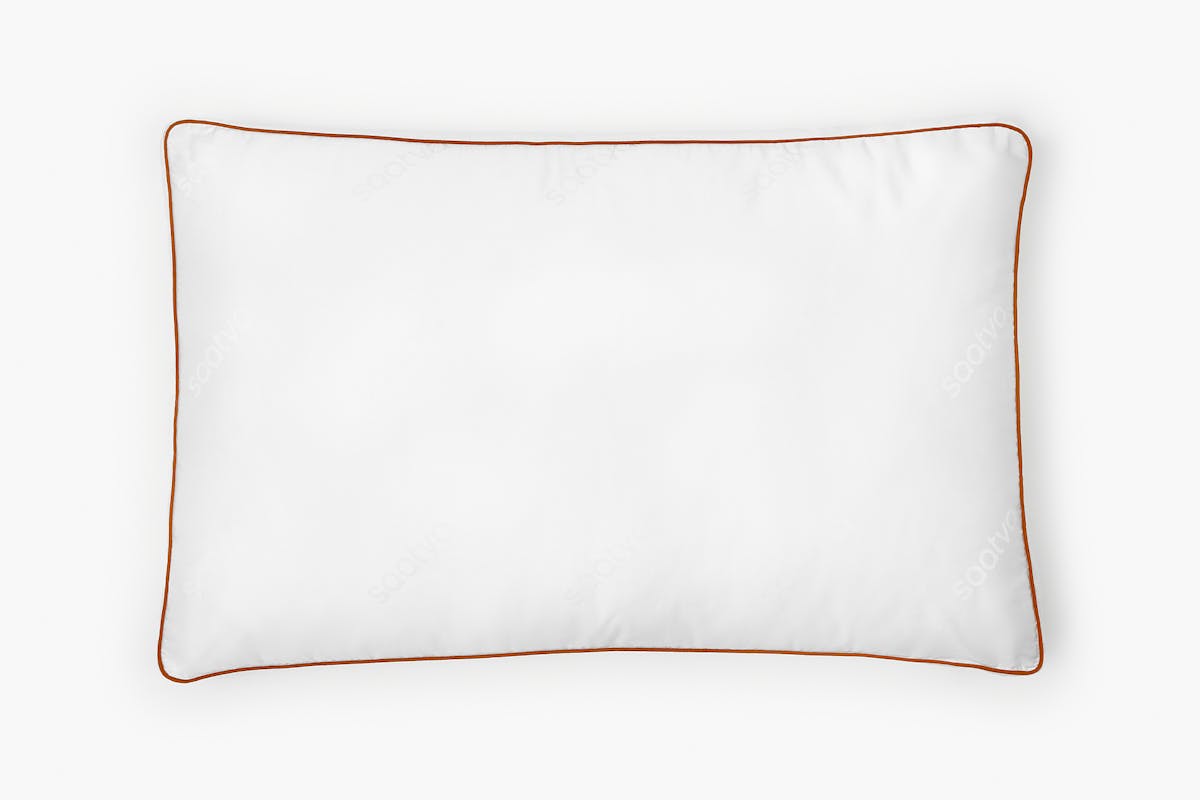
Saatva Latex Pillow (~$165)
The Saatva Latex Pillow earns its higher price tag through material quality and longevity. Its core is shredded natural Talalay latex — a more breathable and resilient material than synthetic foam — wrapped in an organic cotton cover. It's available in Standard and High loft, making it easier to pick the right height for your position rather than relying entirely on DIY adjustment.
Latex has a distinctive feel: it conforms to your head and neck like memory foam, but has a gentle, springy pushback that prevents you from sinking too deep. This quality — often called "buoyancy" — is particularly valuable for neck pain because it maintains support without the "stuck in quicksand" sensation that solid memory foam can produce. The shredded construction also allows airflow through the core, so it sleeps significantly cooler than most foam pillows.
Durability is a genuine strong point. Natural latex holds its shape and resilience far longer than synthetic alternatives — users regularly report two to three years of consistent support, compared to the 12–18 months typical of shredded foam blends.
The main trade-offs are price and a mild latex odor when first unpacked (it dissipates within a few days of airing out). For hot sleepers dealing with recurring neck pain who are willing to invest in a quality pillow, this is one of the best options on the market.
Best for: Hot sleepers, eco-conscious shoppers, and side or back sleepers who prefer natural materials and plan to keep a pillow for years.
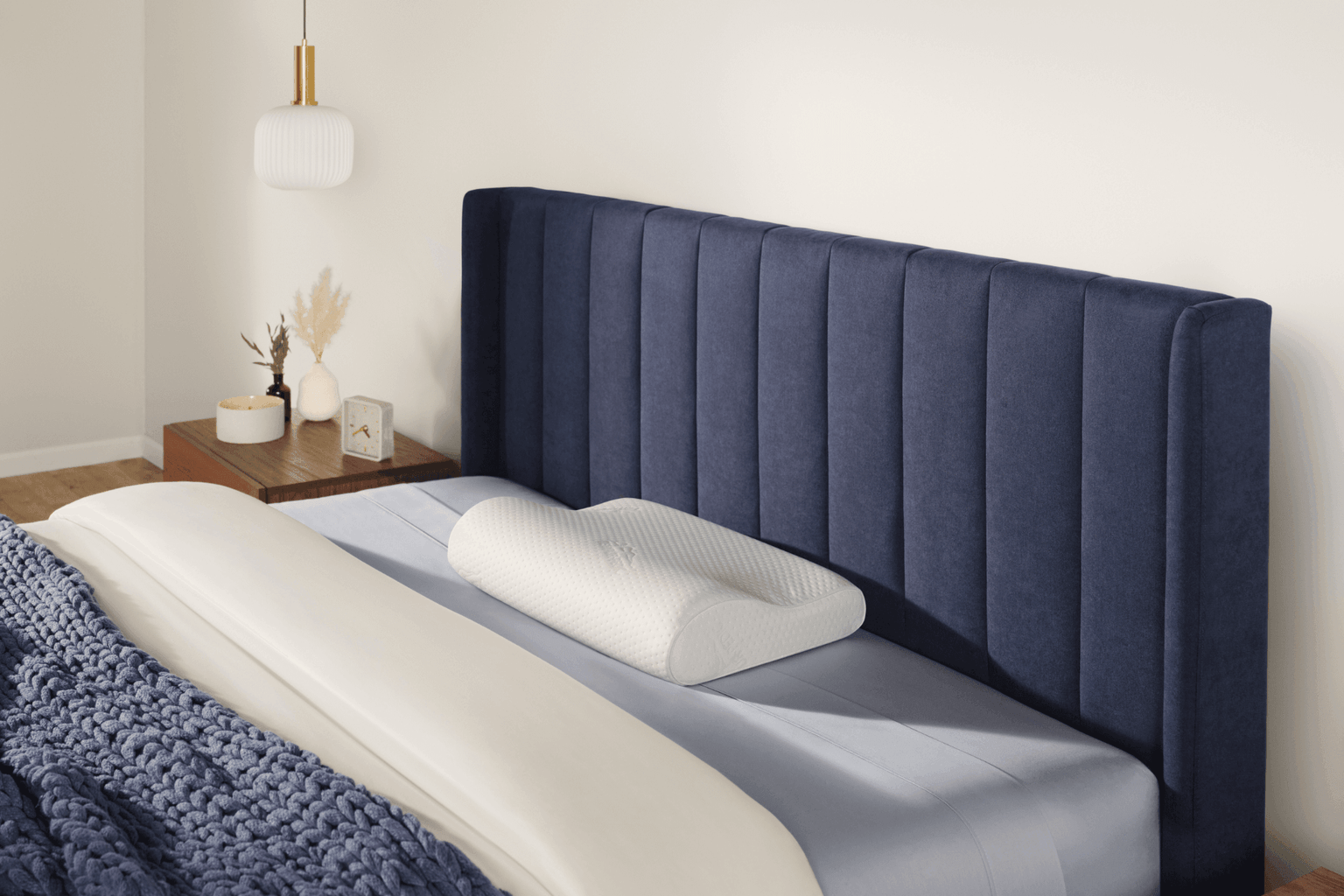
Tempur-Pedic TEMPUR-Ergo Pillow (~$130)
Where adjustable pillows give you flexibility, the Tempur-Pedic TEMPUR-Ergo gives you precision. Its solid TEMPUR-Material core is shaped in a contoured wave — a specific ergonomic profile designed to cradle the natural curve of the cervical spine and prevent the head from sinking out of alignment. If you've been diagnosed with cervical radiculopathy or have structural neck issues, the firm, non-compressible support of this pillow is often recommended by physical therapists.
The defining quality of TEMPUR material is its slow, viscous response to pressure. Rather than springing back immediately, it adapts gradually to the weight and warmth of your head, distributing pressure evenly across the neck and shoulders. This is particularly helpful for people whose neck pain originates from muscle tension or nerve compression, as it eliminates the small pressure points that can aggravate inflammation overnight.
The fixed shape does require commitment: unlike adjustable pillows, you need to choose the right size profile upfront (Tempur-Pedic offers Small/Medium and Large sizes based on shoulder width and sleep position). There's no adjusting after purchase. It also retains more heat than shredded or latex alternatives, so hot sleepers may want to pair it with a cooling pillowcase.
Best for: Chronic neck pain sufferers, back sleepers with cervical spine issues, and anyone who wants firm, precise support rather than customizable softness.
Eli & Elm Side-Sleeper Pillow (~$130)
Side sleeping is the most common sleep position, and it creates a unique challenge: the shoulder sits between your head and the mattress, creating a gap that standard pillows aren't shaped to fill evenly. The Eli & Elm Side-Sleeper Pillow addresses this with an unconventional U-shaped cutout along the bottom edge that accommodates your shoulder, allowing the pillow to sit lower where the shoulder is and higher where your neck needs support.
The effect is a more natural lateral spinal alignment than most standard pillows can provide for side sleepers. The fill is a shredded latex and microfiber blend that can be adjusted, so you can fine-tune the overall loft even within the ergonomic shape. The cover uses a stretchy, breathable knit that drapes comfortably over the shoulder without bunching.
This is a niche product — it works best for committed side sleepers who stay in one position. Combination sleepers who shift from side to back will find the shape awkward in other positions. But for someone who consistently sleeps on their side and has tried everything else without success, this pillow's shoulder cutout design often provides relief that a standard pillow simply cannot.
Best for: Dedicated side sleepers with chronic morning neck stiffness who haven't found relief with standard high-loft pillows.
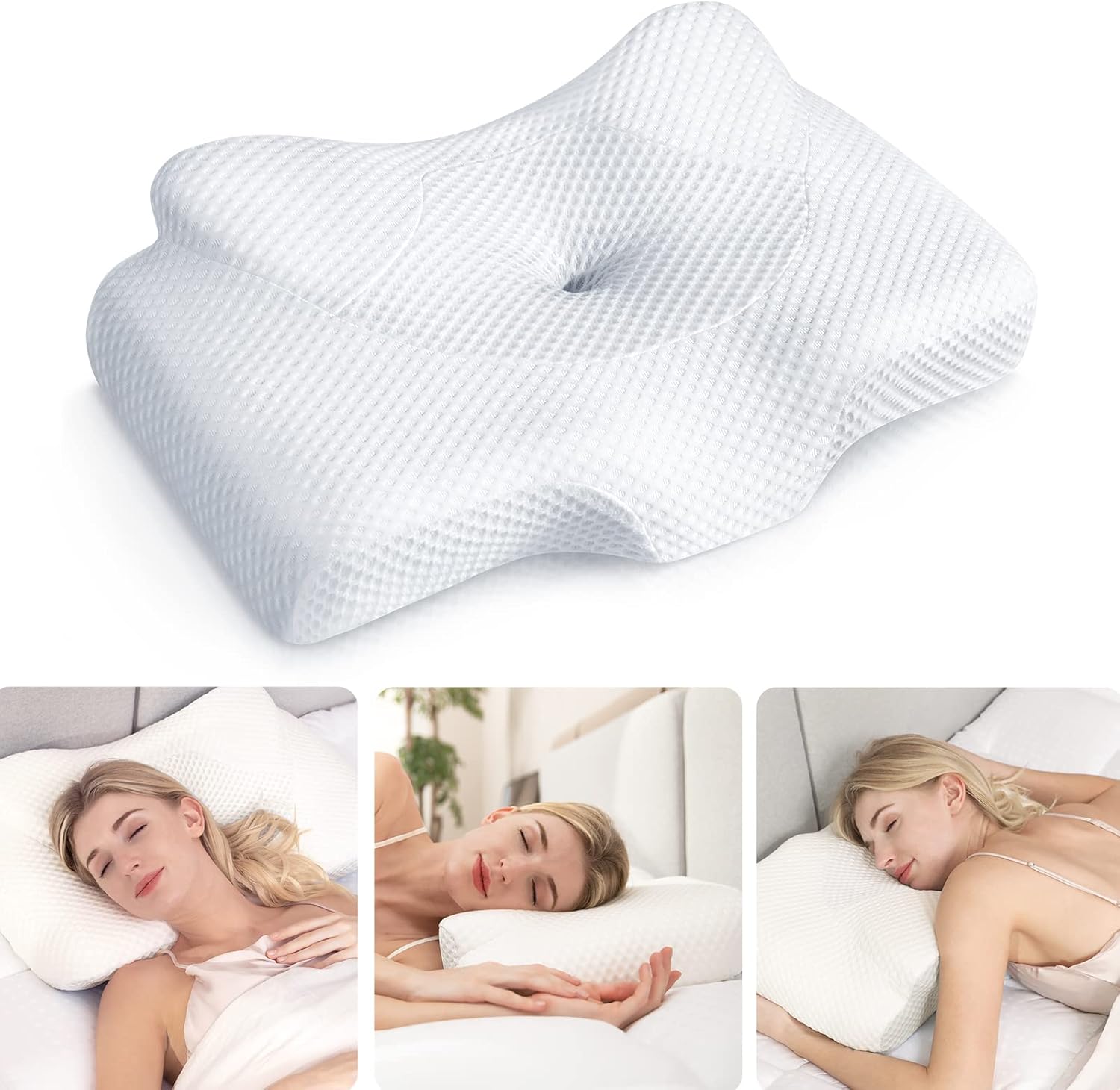
Osteo Cervical Pillow (~$50)
With over 10,000 units sold per month on Amazon, the Osteo Cervical Pillow is the most popular budget pick in this category — and it earns that position. Its contoured memory foam construction features a hollow center that reduces pressure on the occipital bone at the back of the skull, combined with raised edges that support the cervical curve whether you're on your back or side.
The odorless memory foam addresses one of the most common complaints about budget cervical pillows: the chemical off-gassing smell that can linger for days. Osteo's foam is certified to have minimal VOC emissions, and most users report no noticeable odor out of the box. The cover is washable and made from a soft, cooling bamboo-derived fabric.
Performance-wise, this pillow works well for back and side sleepers who want structured cervical support at an accessible price. The fixed contour means there's no adjustment — you either match the pillow's geometry or you don't. Broad-shouldered side sleepers may find the loft insufficient; petite sleepers may find it too high. Within those constraints, though, it delivers support quality that would have cost twice as much a few years ago.
Best for: Budget-conscious back and side sleepers who want a contoured cervical pillow without spending over $50.
Purple Harmony Pillow (~$179)
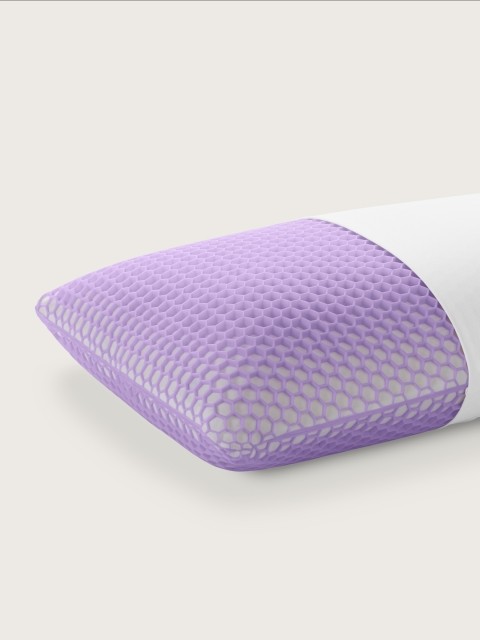
The Purple Harmony Pillow is the most distinctive option on this list — it pairs a solid Talalay latex core with Purple's proprietary GelFlex Grid, a polymer grid structure that provides both pressure relief and airflow in a way that neither foam nor latex achieves alone. The grid channels air through the pillow continuously, making it the best-performing option for hot sleepers among our picks.
The feel is genuinely different from any foam or latex pillow: the grid collapses under pressure points (like the back of the skull) while staying neutral elsewhere, distributing weight without the sinking sensation of memory foam. Research suggests this type of zonal pressure relief reduces the compressive forces on cervical vertebrae during sleep. The Talalay latex core beneath the grid provides the structural loft and rebound.
Purple offers the Harmony in two heights — Medium (6.5 inches) and Tall (7.25 inches) — making it suitable for side sleepers and broader-shouldered back sleepers. It is not adjustable, so choosing the right height matters. At $179 it's the priciest pick here, but for hot sleepers who have struggled to find a pillow that doesn't trap heat while still supporting the neck, it's often worth the investment.
Best for: Hot sleepers who need firm neck support and have been disappointed by the heat retention of standard foam pillows.
How to Choose: Quick Guide by Sleep Position
Side sleepers should prioritize high loft (4–6 inches) and fill that won't compress under the weight of your head. The Coop Original, Eli & Elm, and Saatva Latex are the strongest picks. The shoulder-cutout design of the Eli & Elm is worth trying if you've been frustrated by standard pillows.
Back sleepers need moderate loft (3–5 inches) and a fill that cradles the natural inward curve of the cervical spine without pushing the chin toward the chest. The Tempur-Ergo and Osteo Cervical are purpose-built for this. The Coop Original also works well once you remove enough fill.
Stomach sleepers are best served by the thinnest option possible. None of our picks are ideal for stomach sleepers specifically — if you consistently sleep on your stomach, physical therapists generally recommend training yourself to sleep on your back or side, as stomach sleeping puts unavoidable rotational strain on the cervical spine regardless of the pillow used.
Combination sleepers (those who shift positions) should lean toward adjustable shredded-fill options like the Coop Original, which perform reasonably well across positions, over contoured pillows designed for a single position.
When to replace your pillow: foam and latex pillows typically maintain their support for 1.5–2 years of nightly use. A simple test — fold the pillow in half and release it. If it stays folded or takes more than a few seconds to spring back, it no longer has adequate support and should be replaced.
Frequently Asked Questions
What type of pillow is best for neck pain?
Research suggests adjustable shredded foam or latex pillows are best for most people because they let you fine-tune the loft to match your specific sleep position and body dimensions. Fixed-contour memory foam pillows can be equally effective for chronic pain if you choose the right size for your sleep position — but there's less room for error.
How do I know if my pillow loft is correct?
Lie on your side and look in a mirror or have someone check: your spine from the base of your neck to your lower back should form a straight horizontal line. If your head tilts downward, the pillow is too flat. If your head tilts upward, it's too thick. For back sleepers, the goal is to maintain the neck's natural inward curve without pushing the chin toward the chest.
Can a pillow actually fix neck pain?
A better pillow can significantly reduce pain caused by poor spinal alignment during sleep, but it won't resolve neck pain from structural injuries, disc problems, or muscle conditions that require medical treatment. If your neck pain is severe, persistent, or accompanied by numbness, tingling, or arm weakness, consult a healthcare provider before investing in pillows alone.
How often should I replace my pillow?
Foam and latex pillows typically maintain adequate support for 18 months to 2 years of nightly use. Down and synthetic fill pillows may need replacing sooner — often within a year. The fold test is a reliable quick check: fold the pillow in half, let go, and see if it springs back immediately. If it stays flat or recovers slowly, it's no longer providing proper support.
Are cervical contour pillows worth it?
Contoured cervical pillows — shaped with a raised edge for neck support and a lower center for the head — work well for back sleepers and some side sleepers when the loft matches their shoulder width and position. Studies indicate they can reduce morning neck pain compared to standard flat pillows for back sleepers. The key limitation is that they don't adapt to different sleep positions, so combination sleepers often find them uncomfortable.
Does pillow firmness matter?
Firmness interacts with loft: a firm, high-loft pillow may work for a broad-shouldered side sleeper but cause pain for a petite back sleeper. In general, firmer fills (solid latex, contoured foam) provide more consistent, non-compressible support and are better for chronic pain sufferers. Softer fills (down, microfiber) are more comfortable to the touch but may compress too much under head weight to maintain reliable alignment.
Looking to upgrade more of your sleep environment? Our home page covers the full range of sleep, air quality, and water filtration gear to help you build a healthier bedroom. You can also explore our other sleep environment guides for white noise machines, blackout curtains, and sleep trackers.
Shop these picks

Related guides